
Welcome to eThaiGold
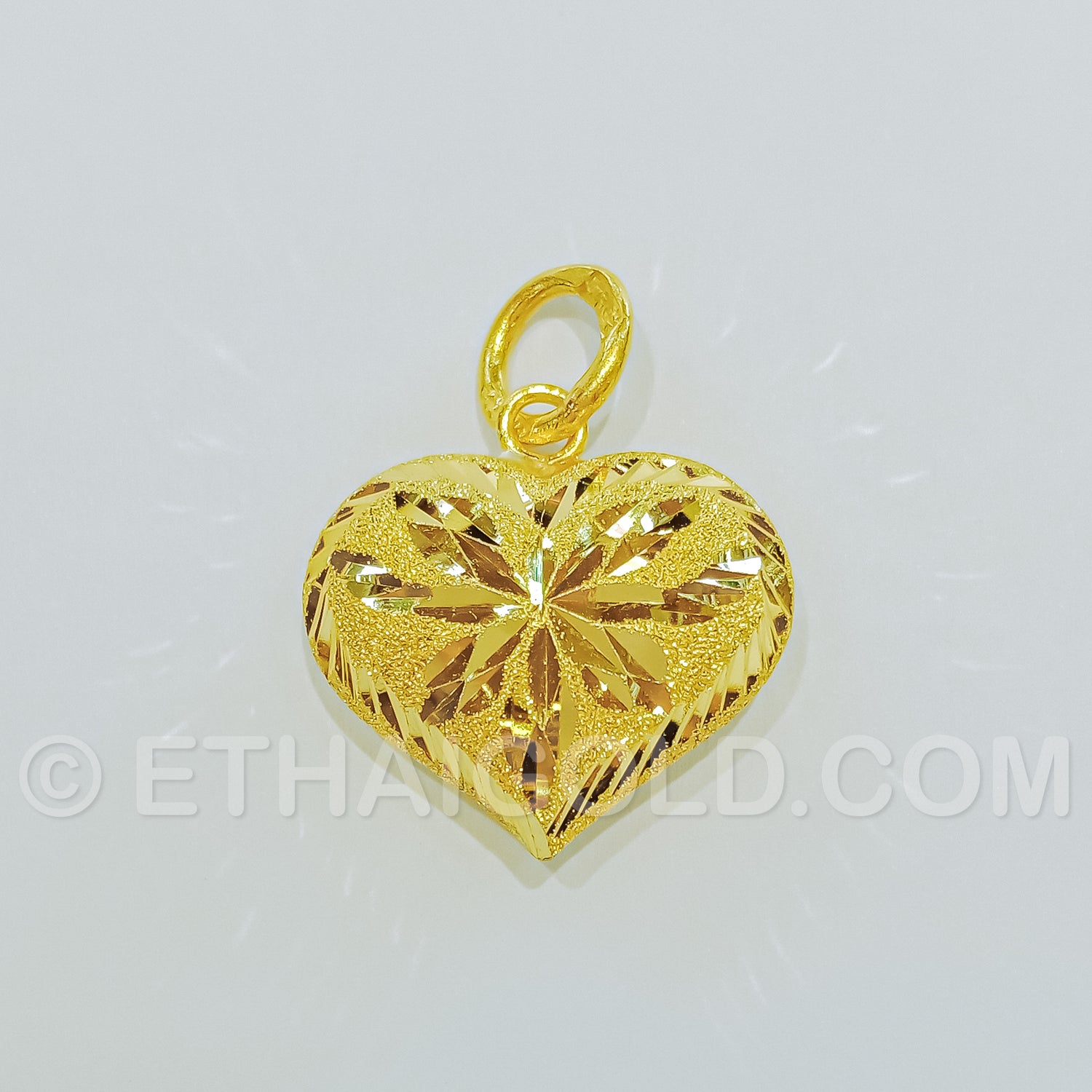
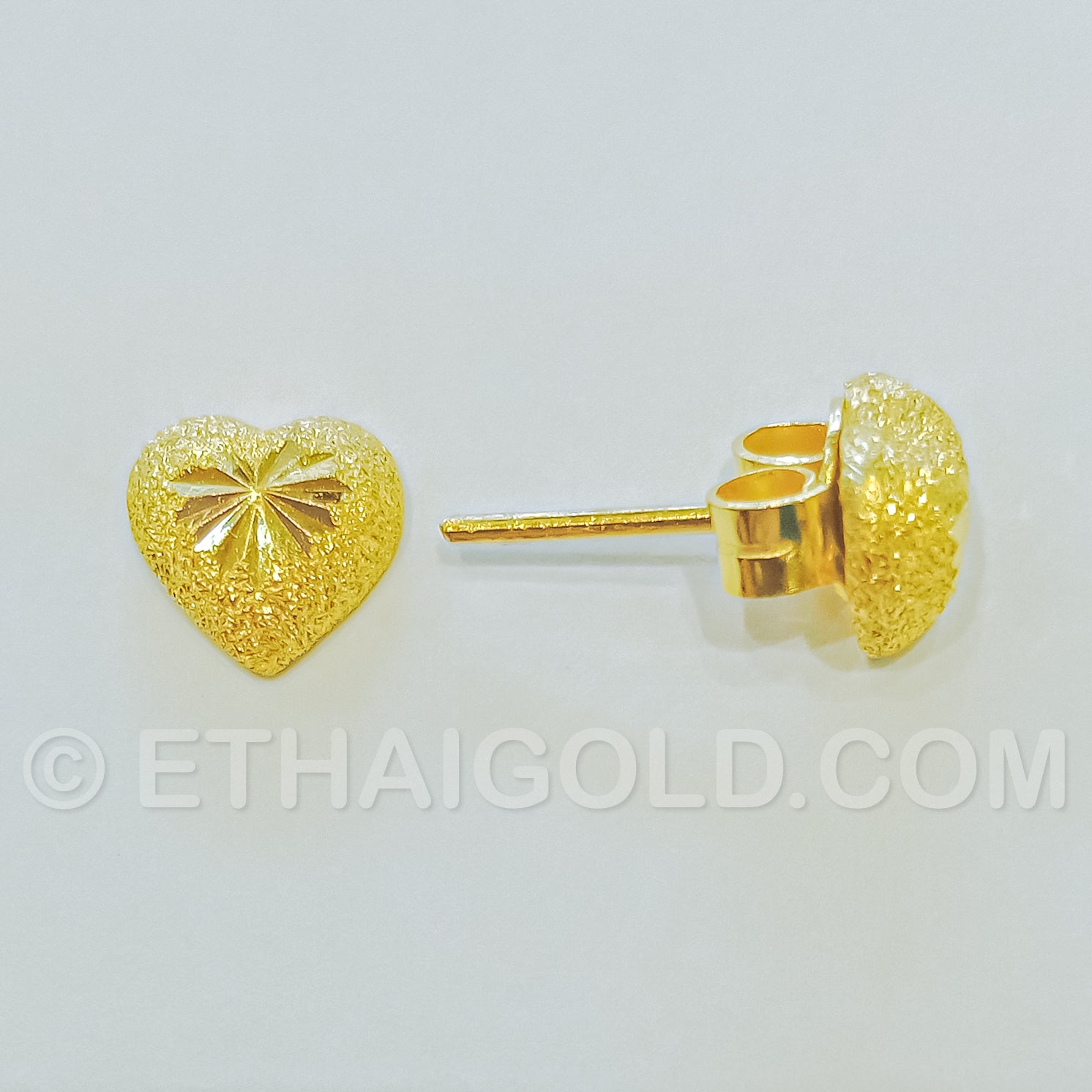
We sell real Thai gold jewelry, such as Baht gold chains (23k gold chains), Baht gold necklaces (23k gold necklaces), Baht gold bracelets (23k gold bracelets), Baht gold rings (23k gold rings), Baht gold charms & pendants (23k gold charms & pendants), and Baht gold earrings (23k gold earrings).
With our SSL certificate, you can shop & buy our Baht gold jewelry securely. We ship our 23k gold jewelry directly from our stores in Thailand to the USA & worldwide.
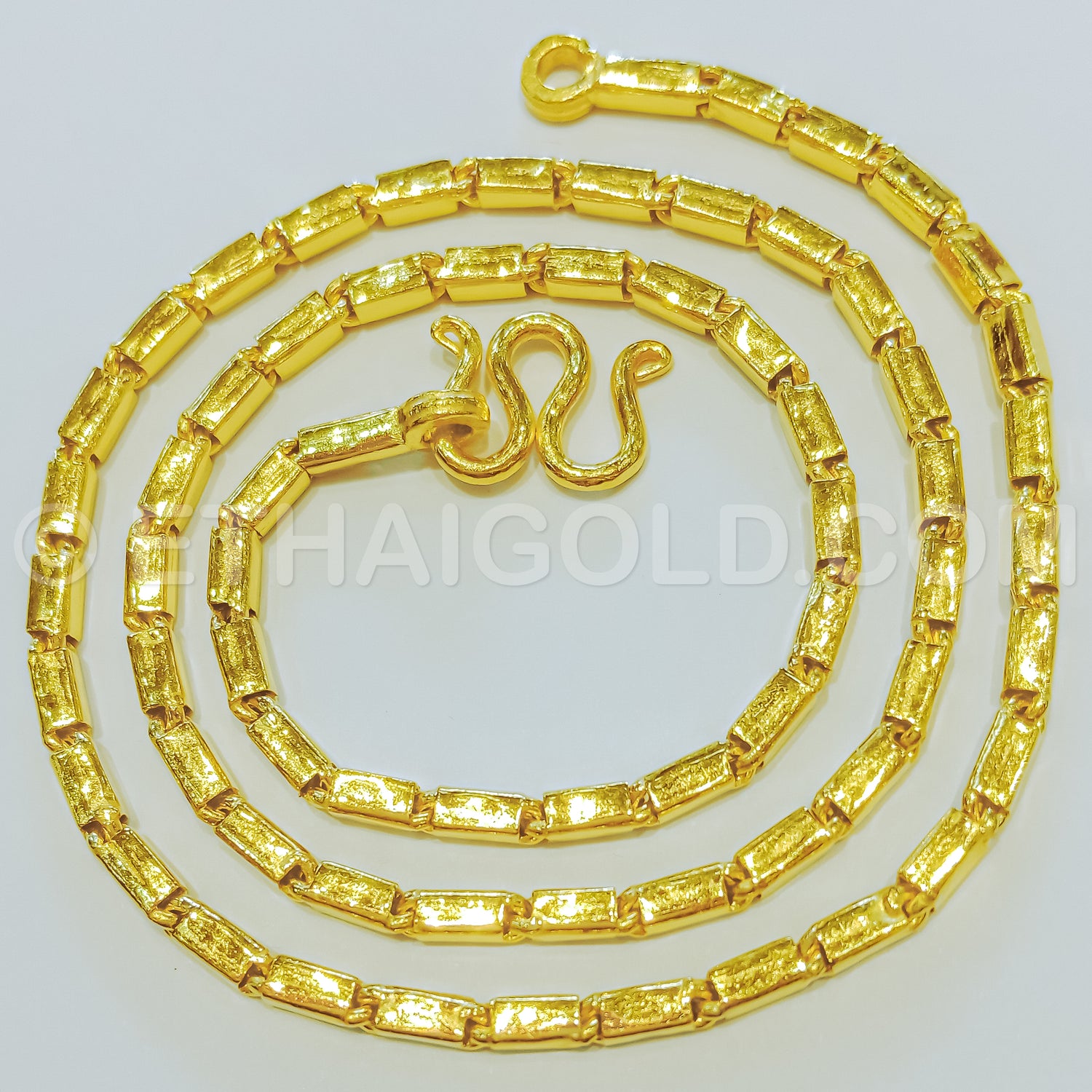
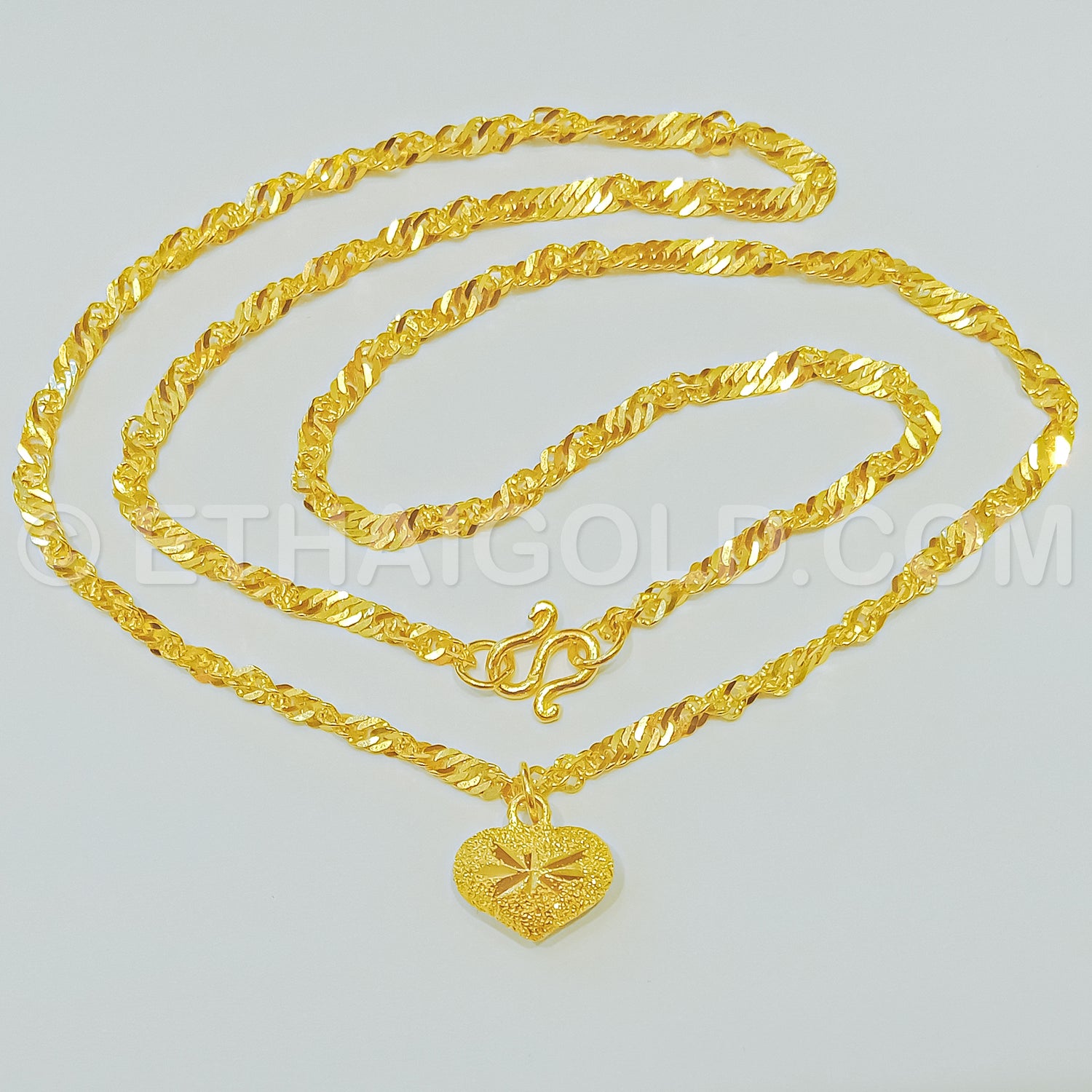
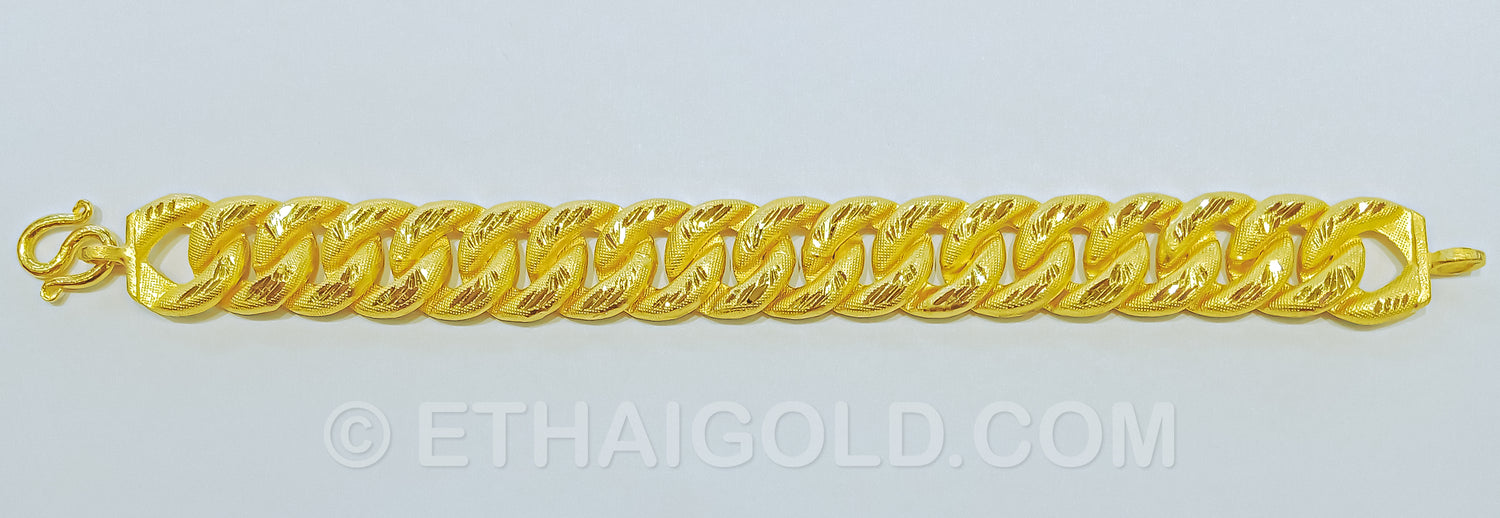
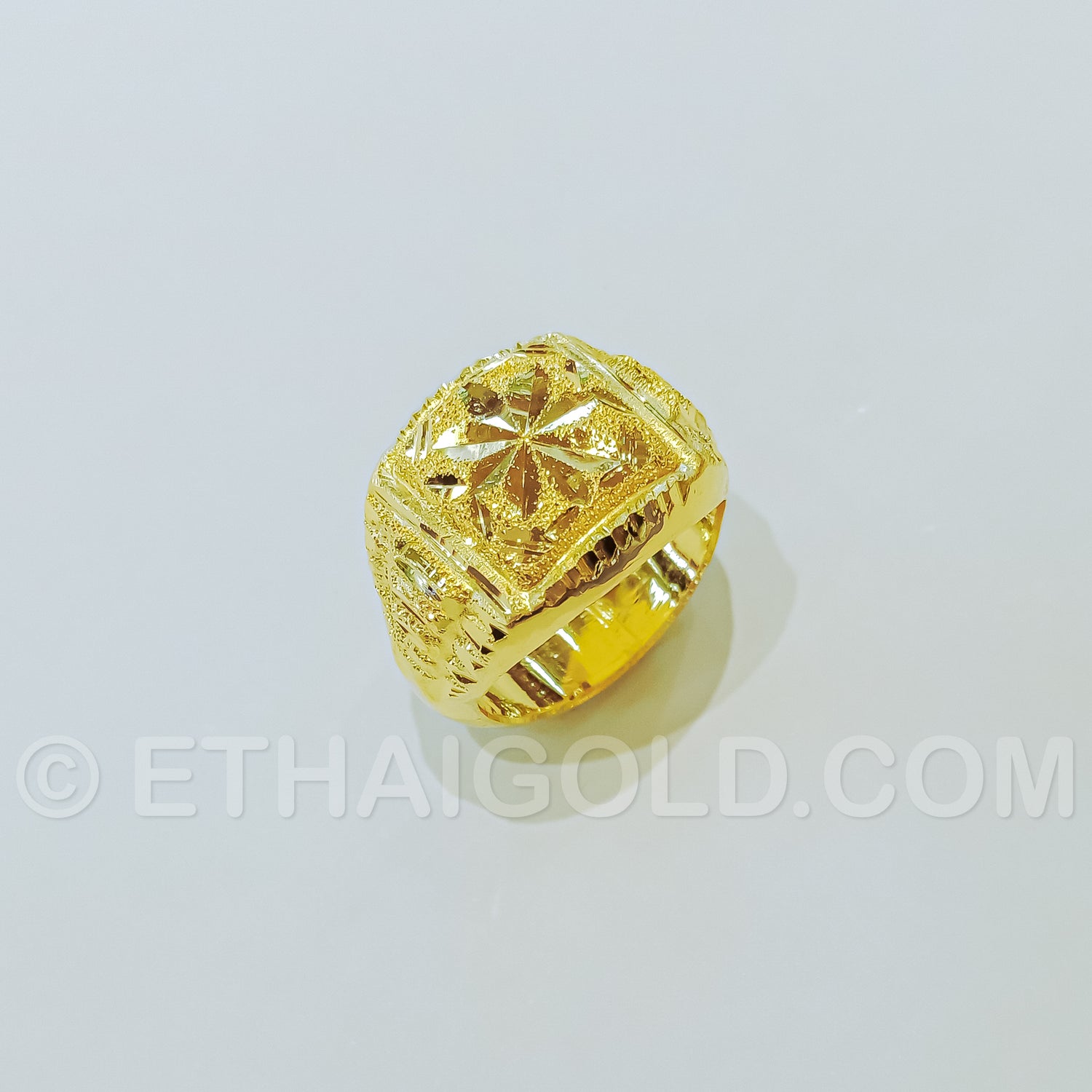
-
Stock & Custom Orders
If your ordered items are in stock, we will ship them in 2 business days. If out of stock, allow us 2 - 3 weeks to make new ones. We can make most designs of our 23k gold jewelry to meet your custom lengths, sizes, and weights.
Learn more about Stock & Custom Orders. -
Ship & Track
We ship to the USA and worldwide via UPS & DHL (delivery time = generally in 3 - 5 business days), and the delivery fee is only 60 USD. We ship in Thailand via EMS for free.
Learn more about Ship & Track.
-
Pay & Discount
We accept credit cards & more via PayPal, and accept bank transfer payments (8% discount). When ordering more than 10 Baht gold weight in one order, you will receive a 40 USD discount per Baht.
Learn more about Pay & Discount.
-
Guarantee
We guarantee the authenticity and satisfaction of our 23k gold jewelry by providing a lifetime guarantee and a 30-day satisfaction guarantee for all items purchased from eThaiGold.
Learn more about Guarantee.
![[Most Recent Quotes from www.kitco.com]](http://www.kitconet.com/charts/metals/gold/t24_au_en_usoz_2.gif)